
When Sarah and Tom returned from their two-week journey through Japan, they couldn’t stop talking about one particular moment. It was breakfast at a Buddhist monastery on Mount Koya, where the morning gong echoed through ancient cypress trees, and they shared a simple vegan meal with monks who had been following the same ritual for centuries. “That’s when Japan really opened up to us,” Sarah said. “Not just as tourists looking at sights, but as people experiencing something genuinely different.”
Japan offers this kind of depth to travelers willing to look beyond the surface. For those of us who’ve been around the block a few times, who value comfort alongside adventure and prefer expert guidance to frantic self-planning, Japan presents both a challenge and an extraordinary opportunity. The language barrier is real, the culture is intricate, and the sheer scope of what there is to see can be overwhelming. Yet with thoughtful planning and local expertise, a journey through this fascinating country can be one of the most rewarding travel experiences of your life.
Understanding Japan’s Range
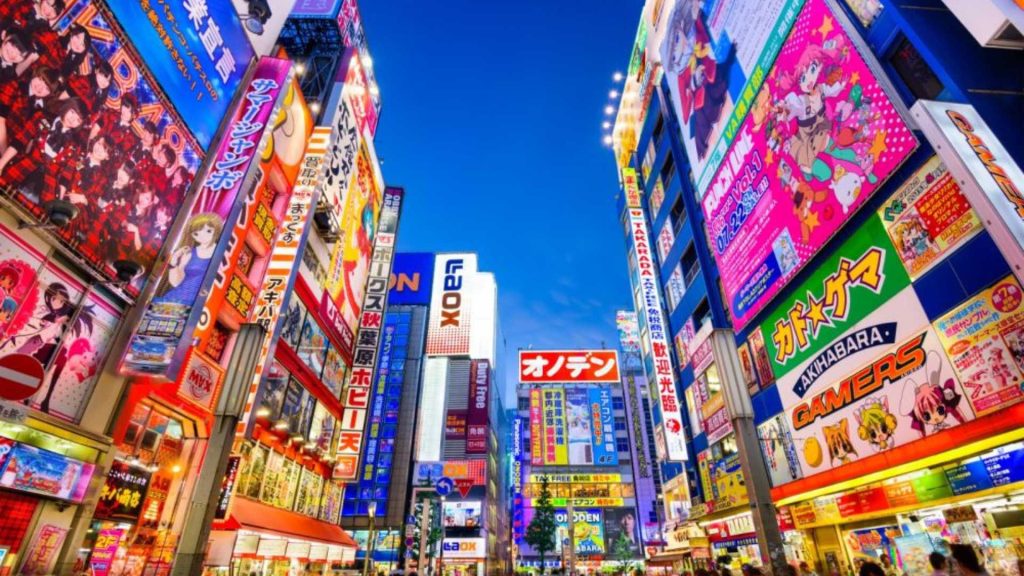
You cannot categorize Japan easily. In Tokyo, you’ll navigate the world’s busiest intersection at Shibuya, where up to 3,000 people cross during a single light change, creating a choreographed dance of humanity. The Roppongi district pulses with sophisticated energy well into the night, offering refined cocktail bars and restaurants that feel worlds away from the traditional wooden structures you’ll encounter just days later in Takayama.
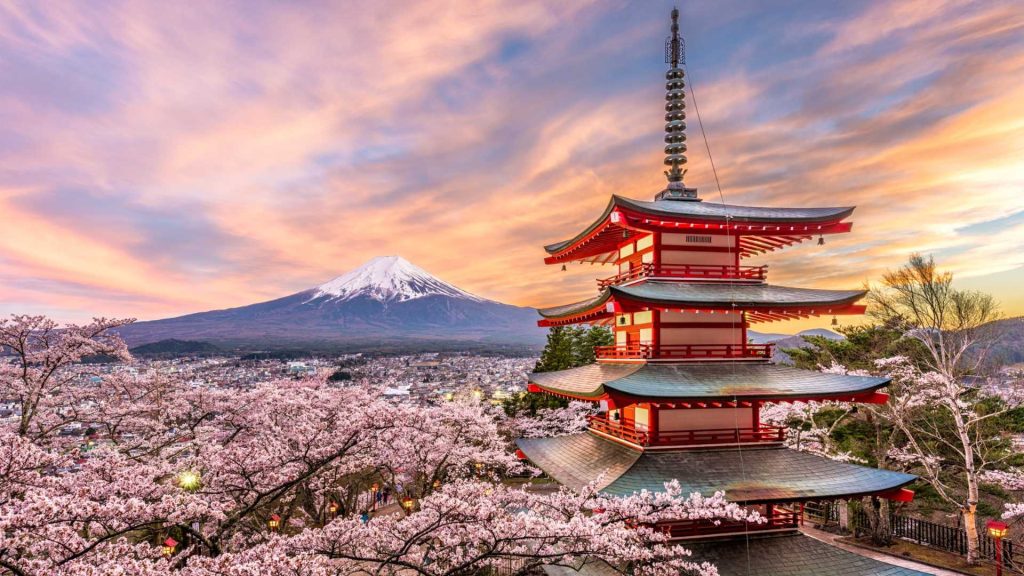
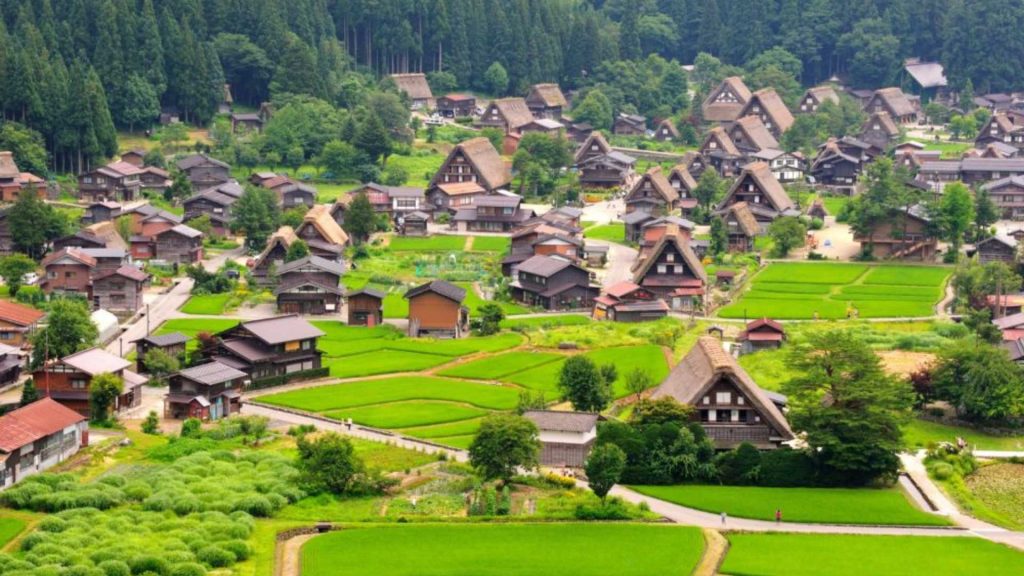
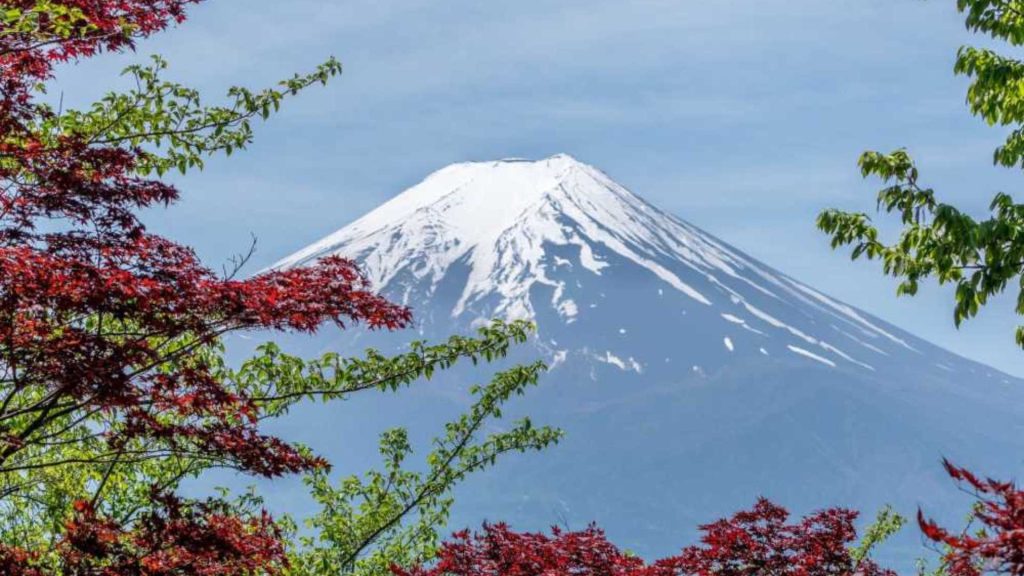
This contrast is Japan’s gift to adventurous travelers. A well-planned itinerary lets you experience all of it in a way that makes sense, moving from the electric energy of Tokyo through the mountain serenity of Kawaguchiko to the time-capsule villages of Shirakawago, where thatched-roof farmhouses have stood for over 250 years.
The key is pacing. Here’s something many first-time visitors don’t realize: Japan rewards slow observation. When you visit the Senso-ji Temple in Tokyo’s Asakusa district, the oldest Buddhist temple in the city dating back to 628 AD, you could rush through in twenty minutes. But if you arrive early, watch the locals perform their rituals, notice the intricate details in the architecture, and breathe in the incense-laden air, those same grounds become a window into centuries of devotion and artistry.
The Art of Japanese Dining
Let’s talk about food, because in Japan, meals are cultural experiences. The country’s relationship with cuisine goes far deeper than most Western travelers anticipate. Every region has its own specialties, developed over generations and tied to local ingredients and traditions. In Takayama, you’ll encounter Hida beef, raised in the Japanese Alps and marbled in ways that make it melt on your tongue. Near Mount Fuji, the ramen you taste has been perfected by craftsmen who’ve dedicated their lives to the perfect broth.
But here’s what the guidebooks often miss: Japanese dining etiquette and meal structure can catch unprepared travelers off guard. Most traditional meals arrive as a sequence of small dishes rather than one large plate. You might find yourself facing miso soup for breakfast (it’s traditional), raw fish presentations that are works of art, and vegetables prepared in ways you’ve never seen. The good news? This variety is part of the adventure, and when you’re traveling with a structured tour, your meals are already coordinated, taking the guesswork out of ordering in a language you don’t speak.
One practical tip that experienced Japan travelers swear by: embrace the set meals. While it might feel limiting not to order à la carte, the Japanese chef’s choice, or omakase approach, means you’re getting the restaurant’s specialties prepared exactly as intended. The kaiseki dinner tradition, which you might experience in places like Kii Katsuura, is theater as much as it is food. You will experience a progression of seasonal dishes that tell a story through texture, temperature, and presentation.
That said, dietary restrictions require advance planning. Japan’s cuisine is built on foundations of fish stock, soy, and seasonal meats. If you don’t eat raw fish, can’t have soy, or follow a strict vegetarian diet, communicate this clearly before your trip begins. The Japanese take food seriously and will accommodate needs when possible, but surprises at the table can lead to disappointing meals.
Mountain Towns and Hidden Treasures
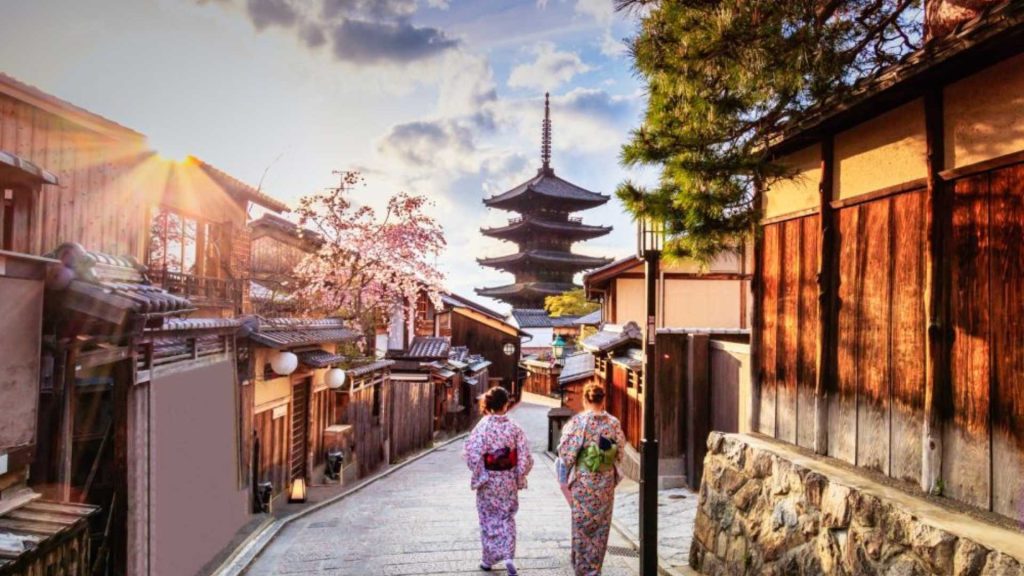
Some of Japan’s most memorable moments happen in places you’ve never heard of. Take Takayama, a former castle town nestled in the Japanese Alps that has preserved its Edo-period architecture so completely that walking its streets feels like time travel. The morning market along the Miyagawa River has operated for centuries, selling everything from handmade pickles to the region’s famous sarubobo dolls (small, faceless red talismans meant to bring good luck).
What makes these smaller destinations special is their authenticity. Unlike the major tourist centers, places like Takayama and the UNESCO-listed village of Shirakawago operate on their own rhythms. When you visit a sake brewery in Takayama and learn about the fermentation process from someone whose family has been making rice wine for generations, you’re connecting with cultural continuity that stretches back hundreds of years.
The downside of visiting these rural areas independently is accessibility. Japan’s train system, while excellent in cities, doesn’t reach everywhere, and these mountain towns require careful coordination of buses, local trains, and timing.
Temples, Shrines, and Sacred Spaces
Japan’s religious landscape weaves together Buddhism and Shintoism in ways that can seem contradictory to Western visitors. You’ll visit both Buddhist temples and Shinto shrines, sometimes on the same grounds, and the distinction matters less to the Japanese than understanding the proper way to show respect at each site.
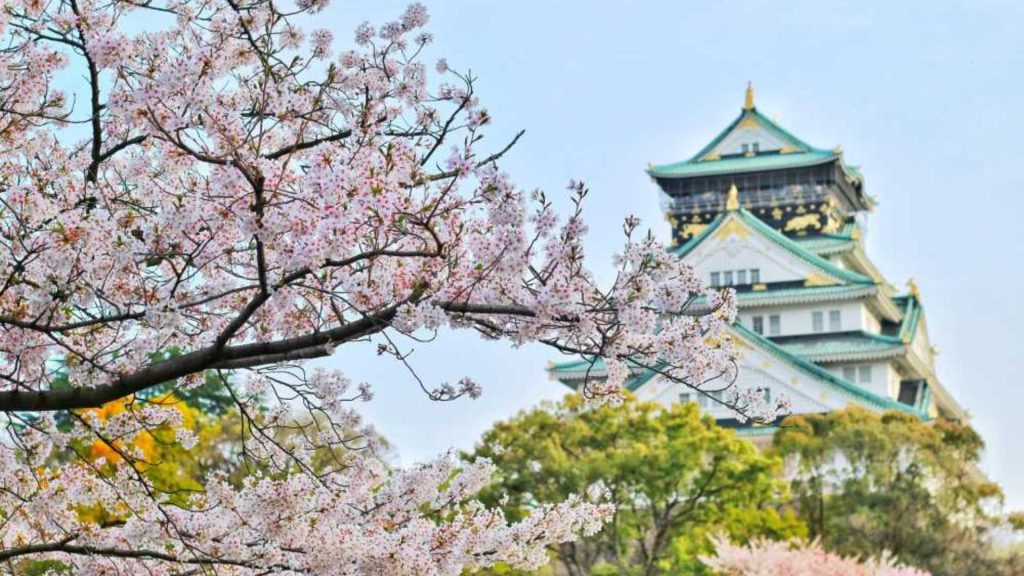
At Shinto shrines like Itsukushima on Miyajima Island, you’ll learn to purify your hands at the entrance fountain: right hand first, then left, then rinse your mouth (but don’t swallow).
Buddhist temples like Fushimi Inari in Kyoto invite you to walk through thousands of vermillion torii gates. They’re active spiritual sites where locals come to pray and seek blessings.
Mount Koya represents Japanese spirituality at its most immersive. This mountaintop complex of over 100 temples has served as a pilgrimage destination since 816 AD. Spending a night at one of the monastery temples, sleeping on futons laid over tatami mats, eating the vegetarian shojin ryori cuisine, and waking before dawn to join morning prayers creates lasting memories.
A word of preparation: temple visits involve walking on uneven surfaces and sometimes steep stairs. Matsumoto Castle requires climbing very steep, narrow steps in your socks. If you have mobility challenges, knowing this in advance helps you prioritize which sites to visit.
The Details That Make or Break Your Trip
The reality of traveling in Japan differs from the mythology in several important ways. First, while Japan is incredibly safe and clean, it’s not as universally English-friendly as some sources suggest. Major train stations in Tokyo and Kyoto have English signage, but smaller cities and rural areas assume you speak Japanese. Restaurants outside tourist zones often have picture-less menus in Japanese only. This language barrier isn’t insurmountable, but it does require either preparation or support.
Cash remains surprisingly important in Japan despite the country’s technological advancement. Many smaller restaurants, shops, and even some hotels operate on a cash-only basis. One couple on a recent tour brought 1,000 Canadian dollars ($USD 750-800) converted to yen, supplemented with credit cards for larger purchases, and found this amount perfect for two weeks of drinks, snacks, tips (for guides and drivers, not at restaurants where tipping isn’t customary), and spontaneous purchases at the many craft shops you’ll encounter.
Here’s something that surprises many visitors: public restrooms in Japan are plentiful and impeccably clean, but they may not provide paper towels or hand dryers. The Japanese carry small hand towels specifically for this purpose. Bringing a bandana or small towel is a good thing to do while enjoying your Japan trip.
The weather in Japan can vary dramatically depending on when you visit and where you are. Early October might bring 26-30°C (79-86°F) days, especially in the southern regions, while the mountain areas can be significantly cooler. A light rain jacket and one umbrella serve double duty for both rain and sun protection. The good news for travelers concerned about packing: coin-operated laundry facilities are available at most hotels, meaning you can pack lighter and wash clothes mid-trip.
Transportation logistics deserve attention. Japan’s railway system is a marvel of efficiency, but navigating it with large luggage can be challenging. This is why many organized tours handle your main luggage separately for certain legs of the journey, asking you to pack an overnight bag for stays in places like the monastery on Mount Koya. Understanding this in advance means you can pack one easily accessible bag within your main suitcase.
The Group Travel Question
Traveling with a relatively small to midsize group isn’t for everyone, and it’s worth being honest about what this means. You’ll move on a schedule, wait for others at meeting points, and experience destinations alongside companions. Some travelers find this energizing: built-in dining partners, shared experiences, and camaraderie with people who have similar interests. Others find it limiting compared to the freedom of independent travel.
The advantages are significant. A guide who knows the country intimately can explain context that brings sites to life, navigate language barriers, handle logistics that would consume hours of your time, and ensure you don’t miss important cultural details. When you visit the Peace Memorial Park and Museum in Hiroshima, understanding the historical context from someone who can connect the past to Japan’s present-day peace movement deepens the experience immeasurably.
The trade-off is flexibility. You’ll have some free time, particularly in Tokyo and Kyoto, but many days are fully scheduled. Some stops might be shorter than you’d prefer if you were traveling independently. The tuna auction at Kii Katsuura market, for example, is a rare opportunity not found on most tours, but you’ll view it as part of a morning that includes other activities rather than spending hours at the market if you wish.
One strategy that works well: build in extra days before or after the tour. An additional day in Kyoto at the end lets you revisit favorite sites, shop without rushing, or simply sit in a tea house and watch the world go by. Many travelers who’ve done this report said it was one of their best decisions.
When Organized Travel Makes Sense
The Wingbuddy Japan Great Discovery tour includes experiences that would be difficult to arrange independently. An overnight stay at a Buddhist monastery isn’t something you can easily book online. Access to the Kii Katsuura tuna auction requires connections and timing. The miso-making demonstration at a family-run factory in Matsumoto, followed by a miso-based lunch, connects you with artisans in ways a factory tour alone wouldn’t accomplish.
The included meals (30 traditional dishes over two weeks) remove the daily stress of finding restaurants, decoding menus, and hoping you’ve ordered well. Instead, you experience regional specialties in appropriate settings: Hida beef in the mountains where it’s raised, fresh seafood near the ocean, temple food at the monastery. For adventurous eaters willing to try new things, this culinary journey becomes one of the trip’s highlights.
What Japan Teaches Us
There’s a Japanese aesthetic concept called “wabi-sabi” that finds beauty in imperfection and impermanence. You see it in the weathered wood of ancient temples, in carefully raked gravel gardens, in cherry blossoms that bloom briefly each spring.
Traveling in Japan as an experienced visitor means bringing your own version of wabi-sabi to the experience. Not everything will go exactly as planned. Some days will be tiring. You’ll encounter cultural differences that confuse you. This is part of traveling authentically in a place that values process as much as destination.
Japan doesn’t ask you to understand everything immediately. It rewards patience, observation, and openness to new ways of seeing the world. For travelers who’ve learned through experience that the best journeys combine planning with spontaneity, expertise with wonder, and comfort with challenge, Japan offers exactly that balance. The country is ready for you. The question is whether you’re ready for Japan? If the answer is yes, the adventure of a lifetime is closer than you think.
If you’re curious about the specifics of turning this vision into reality, here’s what a well designed two-week journey through Japan includes:
Package Highlights: Japan Great Discovery Tour
- Duration: 14 days, 12 nights
- Group Size: Small to midsize groups
- Target Travelers: Travelers from Canada and the US seeking organized, culturally immersive experiences
| What’s Included | Details |
| Flights | International flights between Canada and Japan. Tokyo arrival. Osaka departure. |
| Accommodations | 12 hotel nights. One ryokan stay. One Buddhist monastery stay. |
| Meals | All breakfasts. 10 lunches. 8 dinners with regional specialties. |
| Transportation | Deluxe air conditioned motor coach. Trains included. Shinkansen experience included. |
| Guidance | English speaking local guide for the full tour. |
| Special Experiences | Lake Kawaguchi cruise. Sake tasting. Monastery stay. Kaiseki dinner. Japanese attire experience. |
| Entrance Fees | All entrance fees included per itinerary. |
Not Included: Travel insurance, tips for guides and drivers, meals not specified, personal expenses, and optional activities.
Key Destinations: Tokyo, Mount Fuji region, Matsumoto, Takayama, Shirakawago, Gifu, Ise, Kii Katsuura, Mount Koya, Nara, Osaka, Hiroshima, Miyajima, Kyoto